How to Stick to a Food Budget and Still Eat Well Every Day
Sticking to a food budget can feel intimidating, especially when food prices rise and your paycheck isn’t keeping up with the cost of living.
But the truth is, it doesn’t matter how much money you make. To get your grocery spending under control, it comes down to one thing.
You just need a plan.
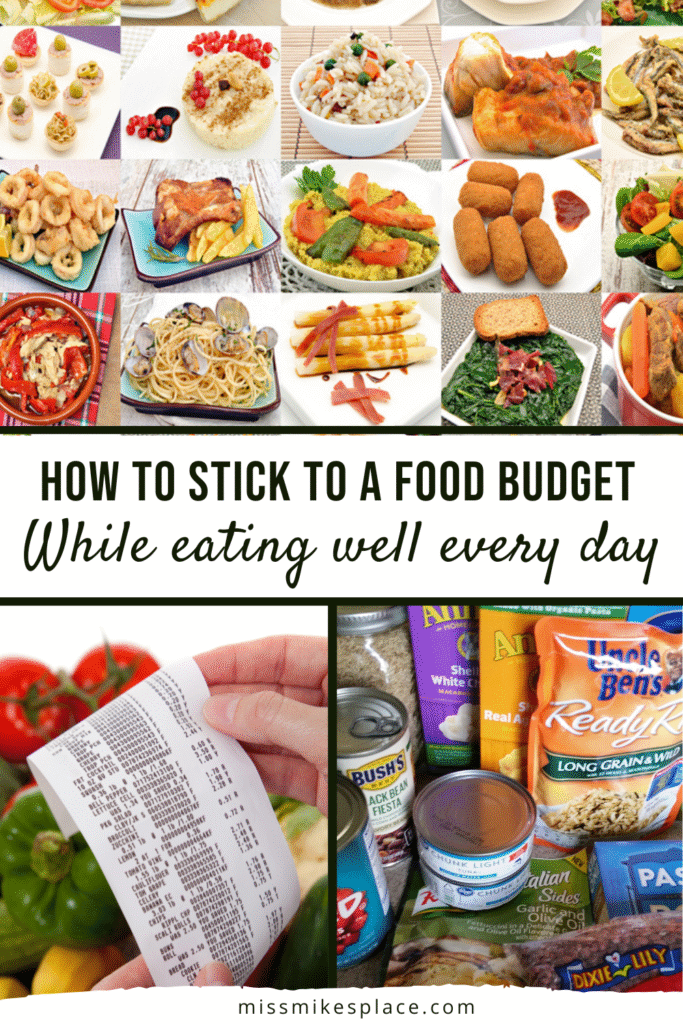
Here’s a simple, step-by-step way to stick to a food budget that actually works in real life.
I may earn commissions if you shop through the links on this page at no additional cost to you. See my full disclosure policy.
6 Easy Steps to Eating Well and Staying on Budget
Know Your Food Budget
Before you meal plan, before you shop, before anything—know your number.
Budget experts advise spending 5-15% of earnings on food.
- How much can you realistically spend on food this week or month?
- What’s your average grocery bill now?
- Can you track spending with a notebook, spreadsheet, or budgeting app?
This number is your north star. It tells you where to flex and where to hold back—whether you’re shopping at the grocery store, meal prepping at home, subscribing to a meal kit service, or eyeing that drive-thru line.
👉 Pro Tip: Review your last 2–3 weeks of grocery shopping receipts or card statements to get a realistic starting point.
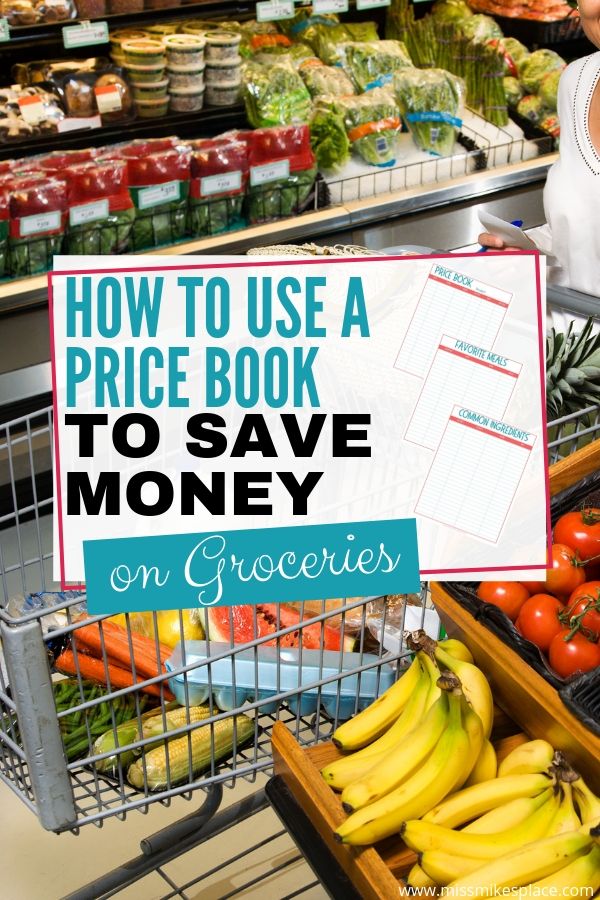
Create a price book and monitor the top 15 most purchased items on your grocery list. Find when those items are at a rock-bottom price and buy enough to last until the next sale.
How to Use a Price Book to Save Money on Groceries will walk you through the process.
Get the necessary worksheets to help you track food prices.

Build a Simple Meal Plan Around Budget-Friendly Foods
Meal planning isn’t just for uber-organized, super Moms effortlessly juggling career and childcare. It’s a basic home management task that forms the foundation of smart grocery spending, benefiting everyone.
The key is to plan meals that fit your budget with foods that your family already loves.
Budget-friendly planning tips:
- Choose low-cost staples: rice, beans, pasta, oats, potatoes, eggs.
- Choose meals that utilize common ingredients (e.g., cook a double batch of rice in the Instant Pot; use it in a Chicken and Rice casserole one night and a stir fry later in the week). Cooked rice freezes well, making it a convenient option for meal prep.
- Use seasonal produce—it’s cheaper and fresher.
- Skip meals that require specialty ingredients you’ll only use once. Or, find an acceptable substitute.
👉 Pro Tip: Don’t assume you need a stocked freezer to plan ahead. If money is tight, focus on meals that rely on affordable staples.
Plan to use what’s already in your pantry, freezer, or fridge to avoid waste.
Shop with Intention (and a List)
This is where many budgets get wrecked. Going to the store without a plan is as reckless as running with scissors. Or skydiving without a parachute.
Instead:
- Make a grocery list based on your meal plan.
- Compare store flyers or app deals before you go.
- Shop your pantry and fridge first to avoid buying duplicates.
- Be flexible—if chicken thighs are cheaper than ground beef this week, swap the meal.
👉 Pro Tip: Most grocery stores now have robust apps that allow you to load digital coupons and make a list from the sales flyer. Spending 5–10 minutes checking prices ahead of time can help you save money.
Set Up a Kitchen That Supports Your Budget
You don’t need a Pinterest-perfect pantry, but a well-organized kitchen helps you stick to your food budget in a big way.
- Store bulk ingredients clearly so they’re easy to find and use.
- Use bins, jars, or dollar-store containers to group staples.
- Label leftovers and make a plan to use them before they go bad.
- Keep a running list of what’s running low so you don’t overbuy.
👉 Pro Tip: Investing in a few prep tools—such as quality knives, a food processor, or an Instant Pot—can help you save money over time by prepping food at home instead of buying pre-packaged.
Reduce Waste: Be Creative with Leftovers
One of the best ways to save money on food? Don’t waste what you buy.
- Plan for leftovers (and actually eat them). Morph leftovers from Taco Tuesday into a taco salad on Wednesday.
- Omelets, sandwiches, or salads are excellent ways to use leftovers creatively.
- Double up on ingredients for multiple meals.
- Cook once, eat twice—chili today, chili dogs tomorrow.
- Avoid buying so much food that it ends up in the trash.
This doesn’t mean eating the same thing all week. It means being smart about how ingredients and meals connect.
Eat at Home More Often
Even if fast food seems cheap in the moment, a charge on your credit card for Uber Eats or Door Dash, plus delivery fees and tips add up fast. Cooking at home—even basic meals—will almost always be cheaper and healthier.
Simple wins:
- Grilled cheese over a drive-thru burger
- Pasta with sauce beats restaurant takeout
- Pancakes for dinner? Totally budget-approved
- Buy frozen pizzas on sale for Pizza Night at a fraction of the cost of delivery
Save eating out for special occasions.
Final Thoughts: Budgeting Is a Practice, Not a One-Time Fix
Following a food budget isn’t about perfection. It’s about progress.
Each week, you’ll get better at knowing what your family eats, what meals work, how to control food costs by taking advantage of the sales cycle, and how to stretch your dollars further without feeling stretched thin yourself.
Start small, stay consistent, and give yourself room to learn.